
The Popes and the new year: a time for thanksgiving and hope
By Amedeo Lomonaco
As the year comes to an end and a new one is set to begin, the Church’s perspective on this “chronological relay,” between two distinct but closely connected timeframes is always linked to the Gospel.
It extends along a dual horizon: gratitude to God and trust in the Lord. Thanksgiving and hope become the keys to understanding the past year and also to welcoming the future, with its opportunities and uncertainties.
St. Paul VI: The meaning of time
The moment of “transition” from one page almost finished to a new one about to begin is an invitation to reflect on time. During his Angelus message on January 2, 1972, Pope Paul VI urged the faithful consider the value of time. “Before we venture into the new year, it’s time to dedicate some reflection to it,” he said.
“Time is the measure, so to speak, of events that follow one another. It is the measure of our present life. A measure that instills fear, because it makes us see that yesterday no longer exists, that tomorrow does not yet exist; only today exists, or rather, only the present moment exists for us: we live only on a moving point, a single fleeting moment….
And this teaches us to live this present moment with reasonable intensity, a moment over which we alone have control, and which constitutes our only experience of the present life. In other words, it teaches us the value of time.”
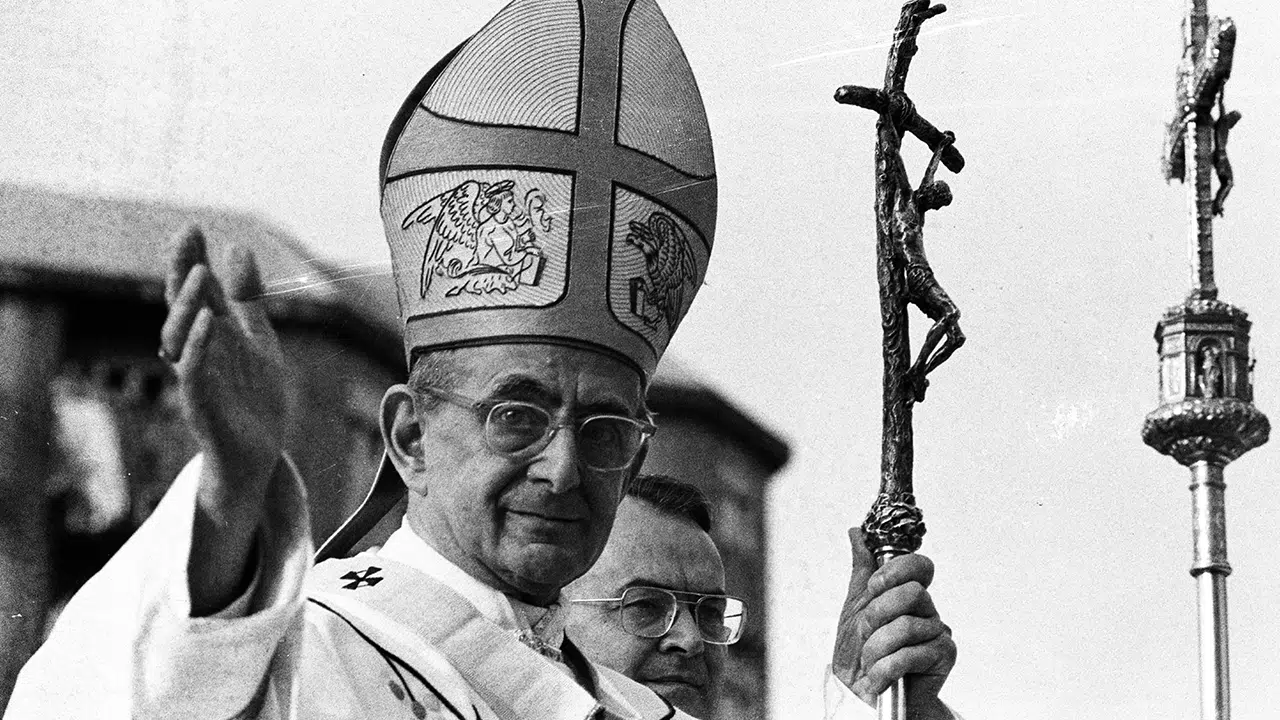
Pope Benedict XVI: Don’t end the year without thanking the Lord
The words of the Popes at this time of year especially accompany the Te Deum hymn of giving thanks. Pope Benedict XVI, on December 31, 2011, during the celebration of the First Vespers of the Solemnity of Mary, Mother of God, spoke precisely about this temporal space: “Another year is drawing to a close, as we await the start of a new one.” The anticipation, desires, and hopes cannot be separated from praise to the Lord:
“The Church suggests that we should not end the year without expressing our thanks to the Lord for all his benefits. It is in God that our last hour must come to a close, the last hour of time and history. To overlook this goal of our lives would be to fall into the void, to live without meaning.
Hence the Church places on our lips the ancient hymn Te Deum. It is a hymn filled with the wisdom of many Christian generations, who feel the need to address on high their heart’s desires, knowing that all of us are in the Lord’s merciful hands.”
Pope Leo XIV: Continue being Pilgrims of Hope
The beginning of 2026 also marks the conclusion of the Holy Year centered on hope. This virtue is not a door that closes, as hope does not die, and it is “generative,” emphasized Pope Leo XIV during the Jubilee audience on December 20, 2025:
“The Jubilee is coming to an end; however, the hope that this Year has given us does not finish: we will continue to be pilgrims of hope! We heard from Saint Paul: “For in this hope we were saved” (Rm 8:24).
Without hope, we are dead; with hope, we come to the light. Hope is generative. Indeed, it is a theological virtue, that is, a strength of God, and as such it does not kill, but gives birth and rebirth. This is true strength. What threatens and kills is not strength: it is arrogance, it is aggressive fear, it is evil that does not generate anything. The strength of God gives birth. This is why I would like to say to you, finally: to hope is to generate.”
St. John Paul II: A blank page
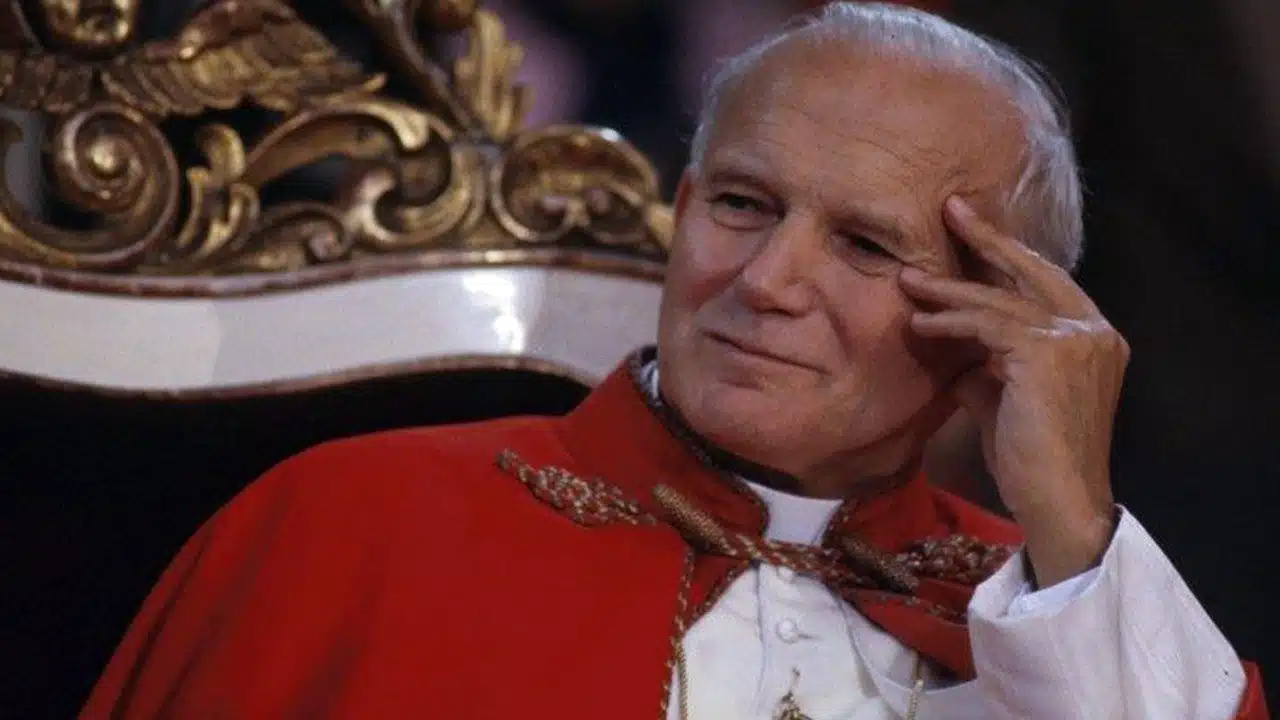
The new year, now before us, appears as an unknown. On January 1, 1986, Pope John Paul II invited the faithful to offer to the Lord “this new stage and this still blank page”:
“The New Year appears before us as a great unknown, as a space that we will need to fill with content, as a perspective of unknown events and decisions to be made. It is like a new stage and a new space for the struggle between good and evil, both at the level of each human being and, together, at the level of the family, society, nations, and the entire humanity.”
Pope Francis: Recovering kindness
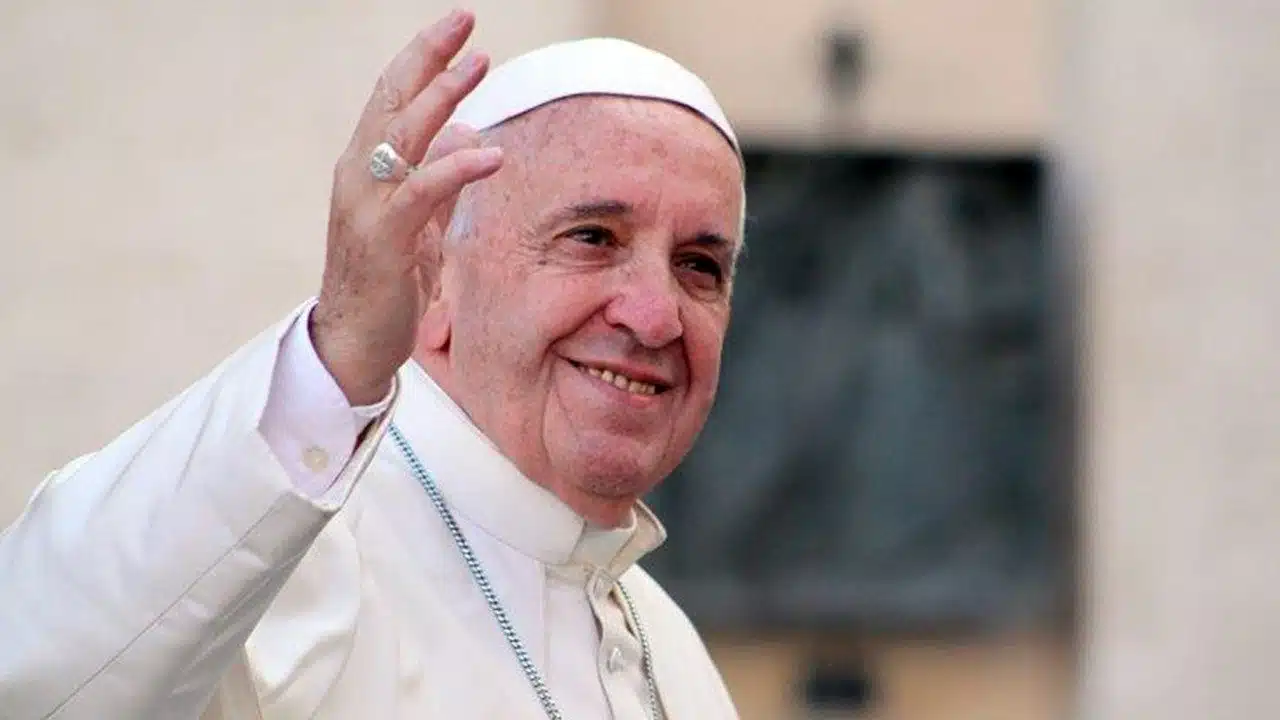
To write on this blank page, we must first draw from the treasury of virtues. One of these virtues, highlighted by Pope Francis on December 31, 2022, has the power to humanize relationships and dissolve indifference:
“Dear brothers and sisters, I think that retrieving kindness as a personal and civic virtue might help a great deal to improve life within families, communities and cities. For this reason, as we look to the new year as the City of Rome, my wish for all of us who live here is that we might grow in this virtue: kindness.
Experience teaches that kindness, if it becomes a style of life, can create a healthy living together, it can humanize social relationships, diffusing aggression and indifference.”
St. John XXIII: Building a house that does not collapse
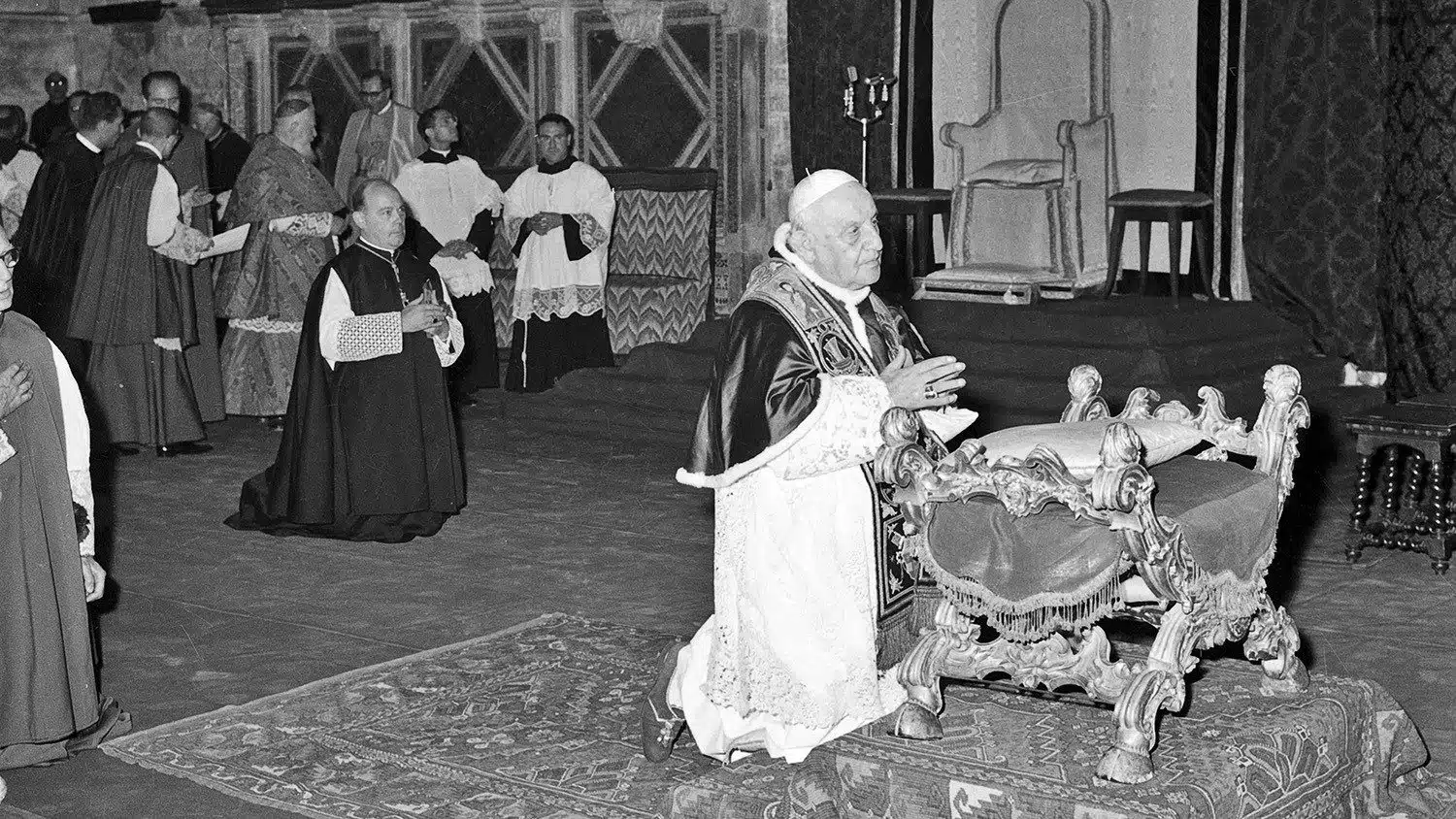
Turning one’s gaze to the future also means looking at those who accompany our existence: family, colleagues in the workplace, our neighbors. Pope John XXIII expressed a special wish for the new year in his message to Christian families on the Feast of the Holy Family on January 10, 1960.
“A spirit of prudence and sacrifice in the thoughtful education of children: and always, in every circumstance, a concern to help, forgive, sympathize, and grant others the trust that we would like to be granted ourselves. This is how a house that does not collapse is built.
The peaceful wish for this security, which is a guarantee of lasting peace, comes from our heart to reach each of you, to accompany you during the new year: it is supported by a special prayer, which we fervently raise to Heaven for the family of each one of you who listen to us, especially for those who, due to lack of means, work, or health, are exposed to painful privations.”
From these different reflections by the Popes, a hope emerges as we draw near to 2026: may the new year be a time for all to build a “house that does not collapse,” despite the wounds and uncertainties of life, despite the horrors of war that still shake the human family, in various and too many regions of the world.
The Author