





Taking the Long View of History
The quiet beauty of praying for people by name
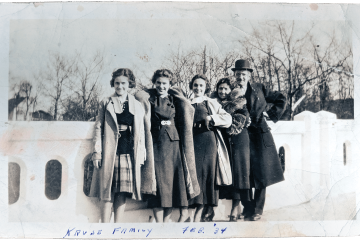
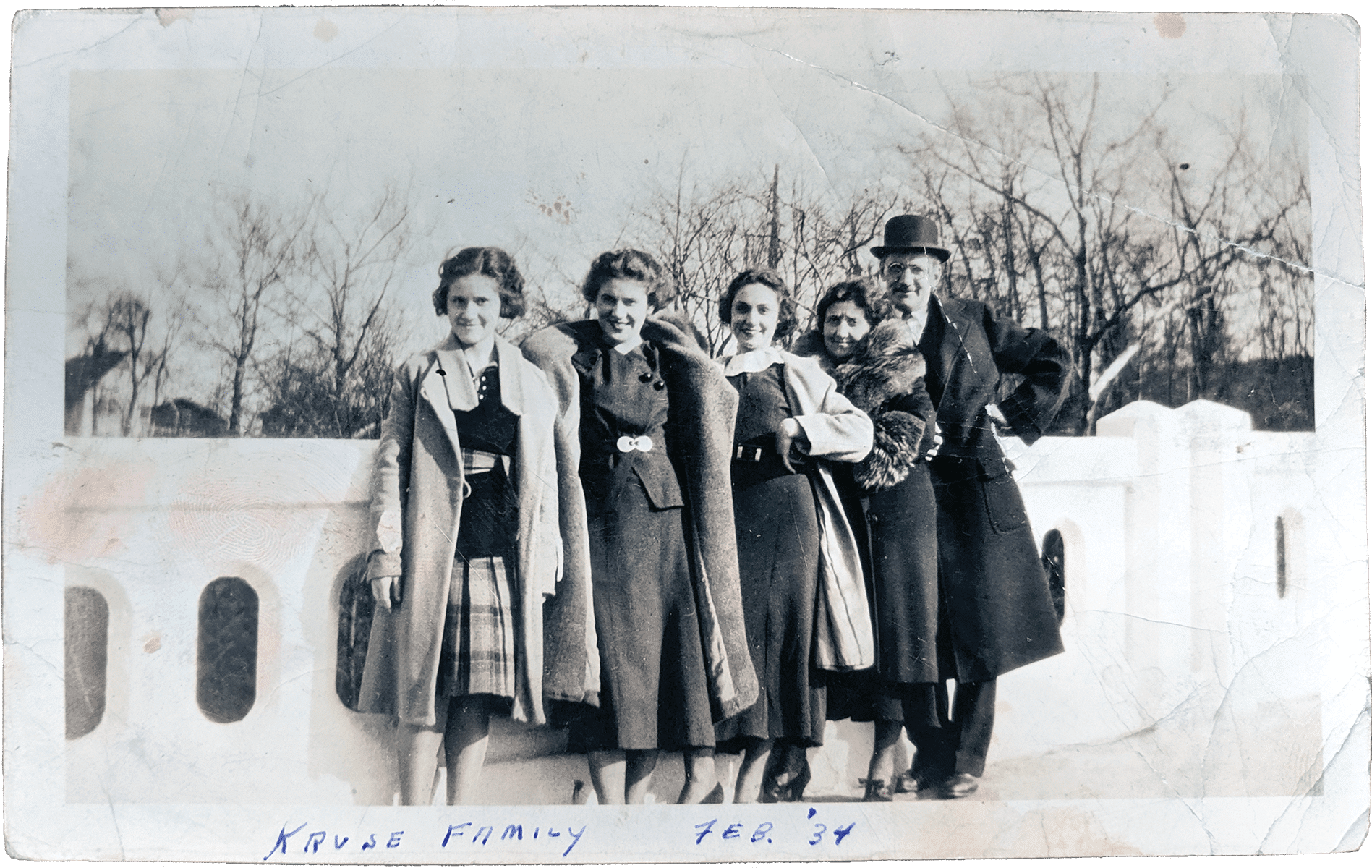 When I first sat down to write this month’s column, I must admit I wasn’t especially inspired. Humility felt like a difficult theme to draw out of the archives. Then my colleague Sarah said something that really resonated with me. She spoke about the quiet beauty of recovering family histories, of being able to pray for people by name, knowing something of the lives they actually lived. Not abstract ancestors, but individuals who endured illness, childbirth, migration, and loss. How she said a simple date in a register can become an occasion to pause and pray for them.
To recover a name is to do something more than remember. It makes possible a kind of prayer that is concrete rather than abstract—commending a person to God not as part of a lineage, but as someone who lived and suffered and was loved. That shift moves us away from pride in what “our people” accomplished—who arrived first, who built what, who persevered under harder circumstances—and toward something steadier and more honest.
There is, I think, something quietly spiritual in the work of archives, history, and genealogy. To search through registers is not only to reconstruct history, but to attend to what remains of lives otherwise at risk of fading into anonymity. It is a kind of listening across time. In that sense, archival work is not only about the past; it is an act of attention in the present.
The records themselves make humility unavoidable. In sacramental registers, the patterns emerge with quiet force: infant deaths, mothers lost in childbirth, outbreaks of illness, families marked repeatedly by grief. The past does not feel distant in those moments. It feels fragile. It reminds me how thin the line has always been between presence and absence, and how easily none of us might have been here at all.
Each of the people whose names we recover stood just as we do within a network of circumstances they did not choose and could not fully understand. Their lives could easily have taken another course, or not occurred at all. It is tempting, looking back, to ask why people did not choose differently. But those questions often depend on knowledge the people themselves did not have. And beneath them lies a subtler temptation—the belief that clearer hindsight means greater moral clarity, that because we see more now, we must somehow stand on firmer ground than those who came before us.
And beyond even that, there is the larger horizon we are prone to forget: that history is not only what we can trace, but what God is doing within it—often quietly, invisibly, and always just beyond the reach of our full understanding.
Perhaps, then, humility is not something dramatic. Perhaps it is simply this: telling the truth as best we can: about ourselves, about others, and about how little of the full picture we ever really see.
The Author