

Brigid’s Path
A “Blessing” to Moms and Babies Impacted by Addiction
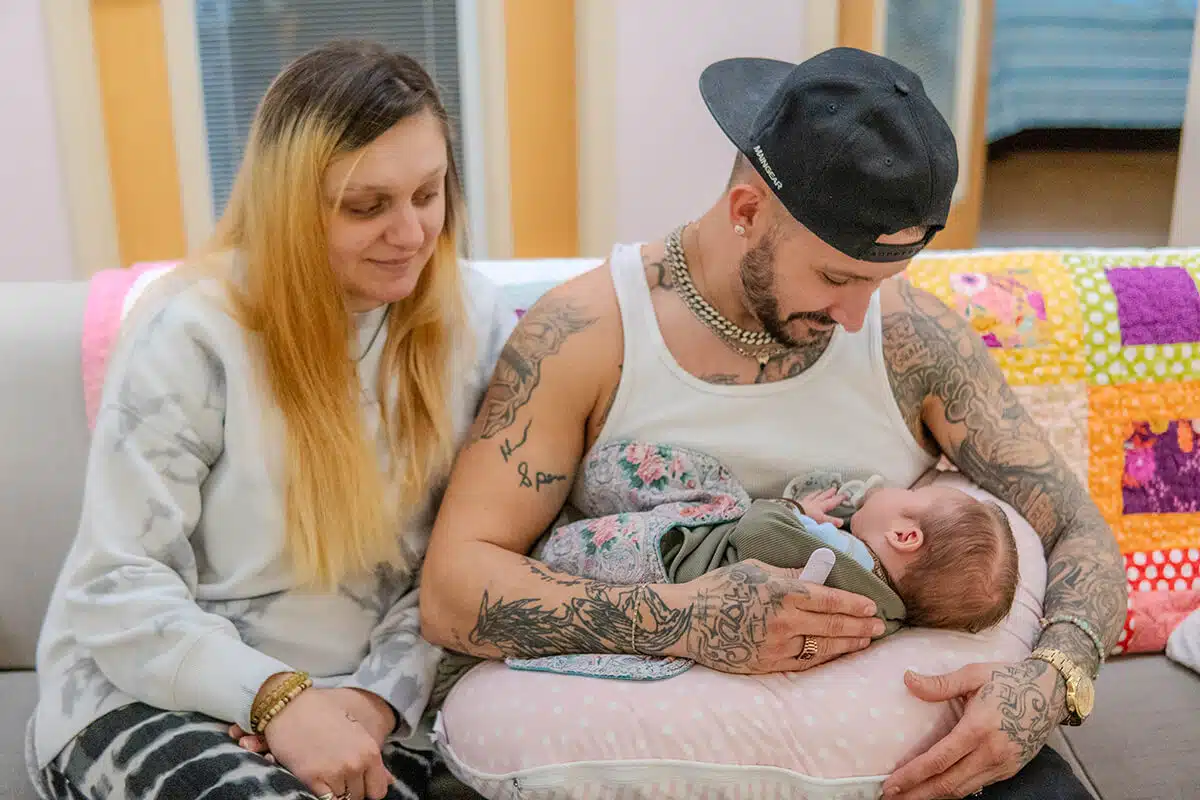 In 2014, a new kind of ministry quietly opened its doors to some of the community’s most vulnerable members: babies born exposed to addictive substances and the mothers who love them. Named for St. Brigid, patron saint of mothers and children, Brigid’s Path was founded on a simple but powerful belief that families heal best when they are met with dignity, compassion, and the opportunity to remain together.
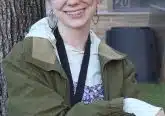
“Brigid’s Path was born out of a very personal place,” said founder and executive director Jill Kingston.
Through her experience as a foster parent and advocate for families affected by substance use, she encountered a painful pattern—babies received medical care, but families were often treated as problems to manage rather than people to love.
“In 2014, the initial vision was simple but radical: create a place where babies could heal from withdrawal while remaining with their families, surrounded by dignity, compassion, and support,” said Kingston.
As the first newborn recovery center in Ohio and only the second in the nation, Brigid’s Path has helped establish a model that is now being studied across the country. The organization has expanded its medical program, strengthened family advocacy and after-care services, and after more than a decade of advocacy, secured Medicaid reimbursement for its Pediatric Recovery Center care. That last milestone provides important stability for the future of the mission.
Still, Kingston emphasizes that the heart of the work has not changed.
“Traditional systems often focus on managing risk,” she said. “Our approach focuses on building relationships.”
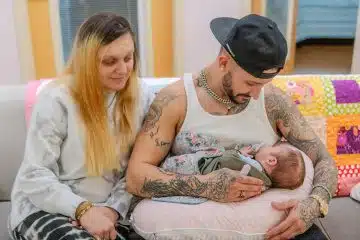
At Brigid’s Path, babies remain with their caregivers whenever possible. They receive round-the-clock nursing care along with trauma-informed, non-pharmacological support, such as skin-to-skin contact, consistent routines, and plenty of cuddling. Mothers are not treated as visitors; they are partners in their baby’s care.
For mother Liz Pittman, that approach changed everything.
“At that stage of my life, I remember feeling like I was caught in a blizzard,” said Pittman. “I was very afraid, scared, alone, and lost.”
She recalls walking through the doors of Brigid’s Path for the first time without her baby, who had been transported separately from the hospital.
“It was an instant calm in the storm of my life,” said Pittman. “I felt a calmness like no other, as if all the weight I had been carrying was lifted at that moment.”
Pittman describes the care her baby received as “phenomenal, true love and compassion from every single nurse.” Just as importantly, she said, the staff welcomed her with open arms.
“That was the time in my life when I started to never feel alone,” said Pittman. “I finally knew I had people on my side.”
Faith quietly sustained her through those early days. There were moments of silent and spoken prayer, asking God to watch over her baby and give her strength for recovery. Pittman remembered thinking, “I should be falling apart, but somehow I’m not,” and says, “Looking back now, I see where that strength came from. I know it was God.”
Today, Brigid’s Path has served more than 300 families across the Archdiocese of Cincinnati, walking with them before, during, and long after a baby’s stay. Sustainable funding and cultural stigma remain challenges, but Kingston calls the mission hard and holy work.
“This work is not about perfection,” said Kingston. “It is about presence and perseverance.”
For Pittman, the impact is deeply personal. “Brigid’s Path is a blessing,” she said. “It’s a place where moms and babies are welcomed with grace and open arms.”
In that welcome, lives are changed one relationship at a time.
To learn more about Brigid’s Path visit www.brigidspath.org
The Author