

Remarriage in the Church
Question of Faith | Fr. David Endres
I sometimes hear about Catholics who seek an annulment so they can remarry in the Church. Could you explain the process and its importance?
When a Catholic couple gets a divorce, they often believe they can no longer practice the faith. Some presume that divorce means an inability to receive the sacraments, and if they wish to remarry, it must be through a civil ceremony or before a non-Catholic minister.
An Unbreakable Bond
It is true that the Church has an elevated understanding of marriage: it is an unbreakable covenant that reflects God’s faithfulness to humanity. This covenant is made by the spouses, who freely exchange their vows with one another, promising to love and honor each other throughout their lives. God blesses these covenants, raising them to the dignity of a sacrament.
However, there can be situations when a valid marriage does not occur, even when one or both spouses intended it to be valid. The Church does not nullify or annul marriages; rather, when a marriage results in divorce, one or both spouses may request a determination of whether a valid marriage existed. During this time of determination, the two parties to the original marriage can continue to receive the sacraments, presuming they have not sought to remarry.
Determining Validity
To remarry in the Church, the husband or wife must first have this determination made for the prior marriage. This process usually begins through speaking with a priest, deacon, or lay minister specifically trained to help in this process.
There can be many reasons why a marriage was not valid, such as one or both spouses lacked the maturity to enter into marriage, some aspect of consent was withheld at the time of marriage, one or both spouses were not open to children, or force or fear entered into the decision to wed.
What to Expect
Those who petition for an examination of their marriage must answer a questionnaire about themselves and their spouse. Both spouses are invited to participate but both are not required. The completed questionnaires and testimony from individuals who knew the couple at the time of the wedding are forwarded to the diocesan tribunal that is either in the place where the marriage occurred or where one or both spouses currently reside.
The process can take a year or more, depending on how long it takes to gather the required information and for the tribunal to make a determination. Both parties will be updated on the proceedings and have the right to review the testimony and, if necessary, appeal. There are no fees for most marriage cases.
Freedom to Marry
If a marriage is determined to have not been valid (commonly called “annulled”), then both former spouses are free to marry in the Catholic Church insofar as their previous marriage is concerned. A caution may be offered to one or both to address a particular matter in order for them to enter a healthy and fruitful marriage in the future.
For a spouse to remarry, he or she would then follow the same process as a first marriage, including marriage preparation with a priest or deacon. The person preparing the couple will be attentive to what prevented the first attempted marriage from being valid.
While the process may seem legalistic, those who participate in it often find it to be healing and to become a way of moving forward. It demonstrates the Church’s desire to accompany people, even through less-than-ideal situations. What may initially appear as an obstacle to Catholic practice often becomes the path toward greater self-knowledge, spiritual recommitment, and renewed participation in the Church.
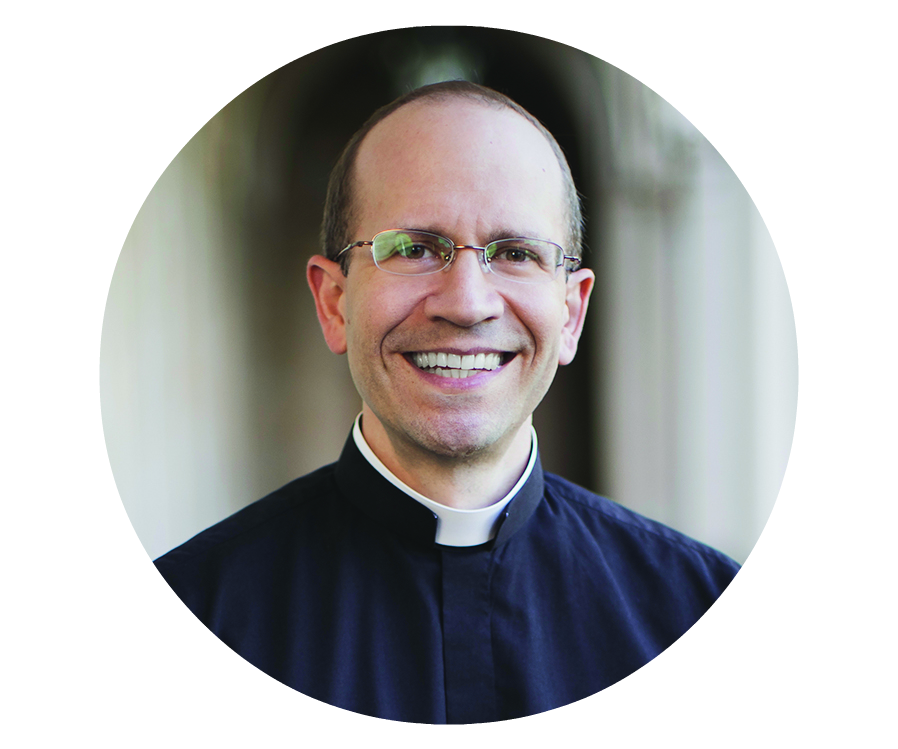 Father David Endres is professor of Church history and historical theology at Mount Saint Mary’s Seminary & School of Theology.
This article appeared in the February 2026 edition of The Catholic Telegraph Magazine. For your complimentary subscription, click here.
The Author