




LIVING LENT
The Final Word with Sr. Mary Garascia, CPPS
Longing for light, we wait in darkness. Longing for truth, we turn to you. Make us your own, your holy people, light for the world to see … Make us your living voice … Make us your bread … shared until all are fed … let us be servants to one another, making your kingdom come. —“Christ, Be Our Light,” Bernadette Farrell
This well-loved song expresses the mission statement of our Catholic Church, why it exists and what it’s about. Lent begins on February 18, the season each year when our Church asks us to renew our membership commitment to this mission.
Unfortunately, we often miss this communal purpose of Lent. It is right there in the Ash Wednesday scriptures. Any organization is only as authentic and effective as its members, and so, in our first reading from the Old Testament, the prophet Joel is urging an assembly to renew itself. Then, Paul tells the Corinthians in his epistle that we are ambassadors for Christ as if God were appealing through us. And in our Gospel, Jesus tells us not to be pretend members, aka hypocrites, but authentic ones, whose good actions are not done to impress other Mary Garascias but instead flow from a personal relationship with His Father. We receive ashes together in this special liturgy to show that we are in this renewal together.
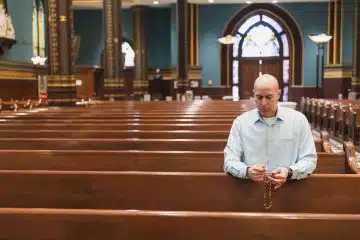
Now, about an action you might take for Lent this year… Instead of giving up something, is there a positive action that could strengthen your local Catholic community and your commitment to it? Perhaps, it may just be to show up more often or to interact with the other folks who attend with you, so that you can, by listening to them, understand their joys and sorrows. Perhaps, it may be by affirming something about your local community or expressing to leadership a need going unmet and offering to help address it. Other ideas are yours to develop!
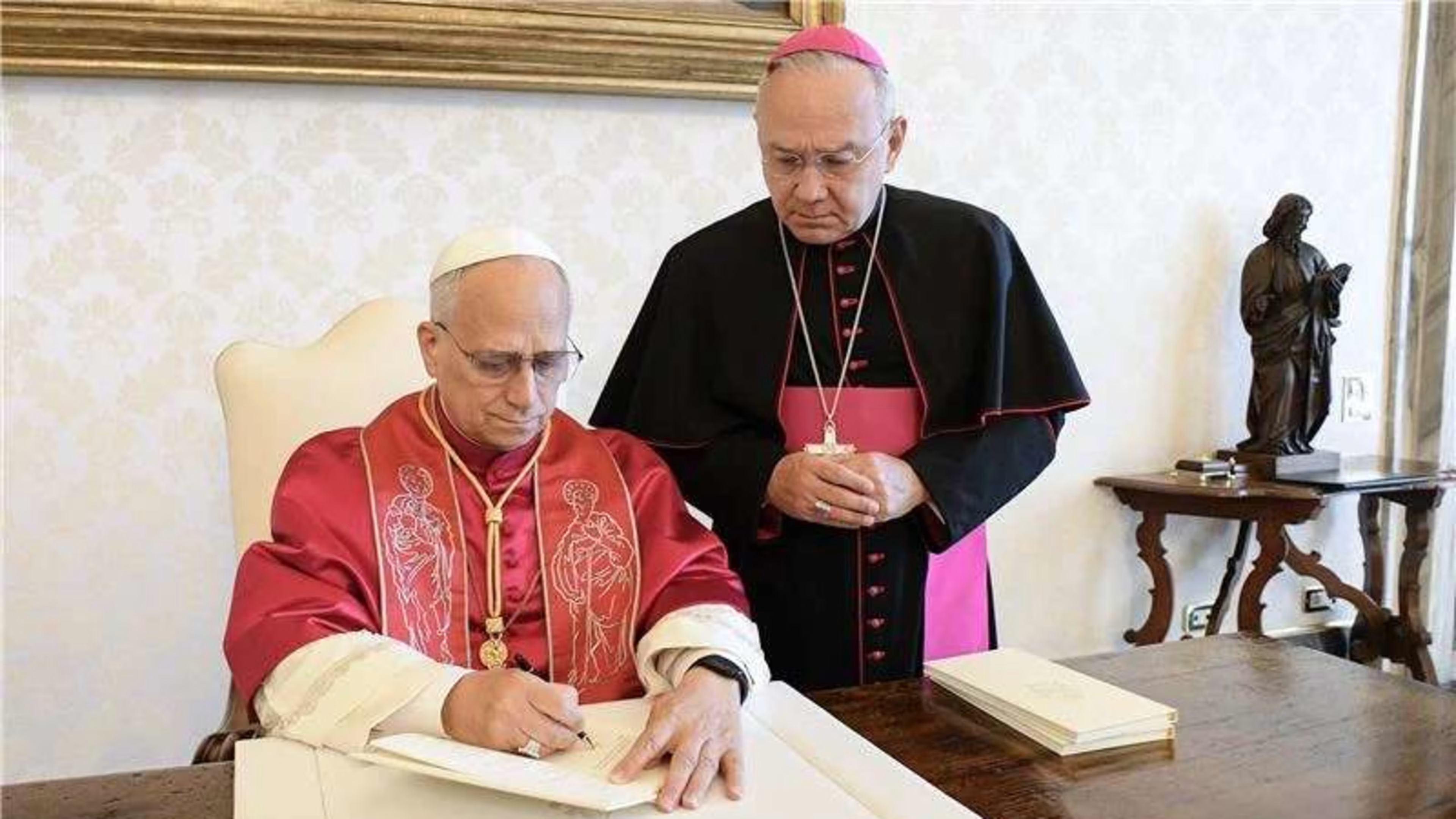
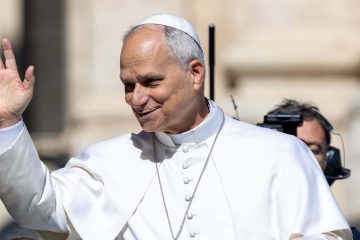
Sin has a big place in Lent, and sometimes, it may be overemphasized. Our new pope is an Augustinian, and St. Augustine (d. 430) shared deeply helpful thoughts about sin. He perceives our discipleship journey as developmental. Our normal moral development moves toward God, toward holiness, and away from sin. It does this, Augustine said, because of God’s freely bestowed grace, which precedes any impulse of ours, accompanies us, and follows us to sustain our efforts to love God and neighbor. Augustine also speaks of regenerative grace, which finds us in whatever stage we are, forgives our past sins, and enables us to progress (The Enchiridion 118 & 119); or as that old gospel song says, If I fall, I know he’ll understand.
So, when we consider approaching the Sacrament of Confession during Lent, it is important that we do not see ourselves as defined by our sin. We are only human beings, still on the journey. When we approach the priest, we do so knowing that we are representatives of our Church and that even our most private sin limits us from fulfilling the Church’s mission to be Christ’s light to the world.
And God, as we all know, forgives upon our contrition and reception of the Sacrament of Confession, where we are reconciled with Him and the Church. It is also a special source of the sustaining grace Augustine spoke about. Especially during Lent, it is very appropriate to receive this sacrament in a communal celebration.
So much more could be said about Lent than this little essay can convey! But, perhaps, in these days before Ash Wednesday, these thoughts can start us thinking about how to live Lent this year.
 Sr. Mary Garascia, a member of the Sisters of the Precious Blood, was active in teaching, parish ministry, and leadership for many years. She is now retired and lives in Dayton.
This article appeared in the February 2026 edition of The Catholic Telegraph Magazine. For your complimentary subscription, click here.
The Author