
Mental Wellness Ministry
 Lisa Averion
I still feel a deep sense of awe and gratitude as I recall my days in Rome at the Ministry of Hope Conference: International Catholic Forum on Mental Wellbeing. To be among ministers, pastoral workers, and mental health advocates from every corner of the world was a gift beyond measure. The conference, held Nov. 5–7, 2025, just steps from St. Peter’s Square, was not simply an academic gathering—it was a spiritual pilgrimage, a communion of hearts united in the mission of hope for those living with mental illness.
From the very first moment, I was struck by the atmosphere of reverence and solidarity. The opening Mass set the tone: we prayed together in spiritual communion with Pope Leo XIV’s monthly prayer intention, which focused on suicide prevention. His words, shared through the Pope’s Worldwide Prayer Network, echoed in my heart: “May those who struggle with suicidal thoughts always find a community that welcomes them, listens to them, and accompanies them.” Hearing this intention proclaimed in the context of our gathering reminded me that our work is not isolated—it is woven into the universal prayer of the Church.
The conference unfolded in two parts. The public opening day was filled with liturgy and dialogue, while the following two days were dedicated to invitation-only sessions of peer exchange, formation, and reflection. I attended roundtables where bishops, psychologists, and pastoral ministers shared their experiences of accompanying those with depression, anxiety, trauma, and despair. The “Care of the Ministers” session touched me deeply. It reminded us that those who serve must also be cared for—that our inner lives, vulnerabilities, and need for accompaniment are part of the Church’s pastoral mission. I felt seen and strengthened, knowing that the Mental Wellness Ministry is part of a larger movement.
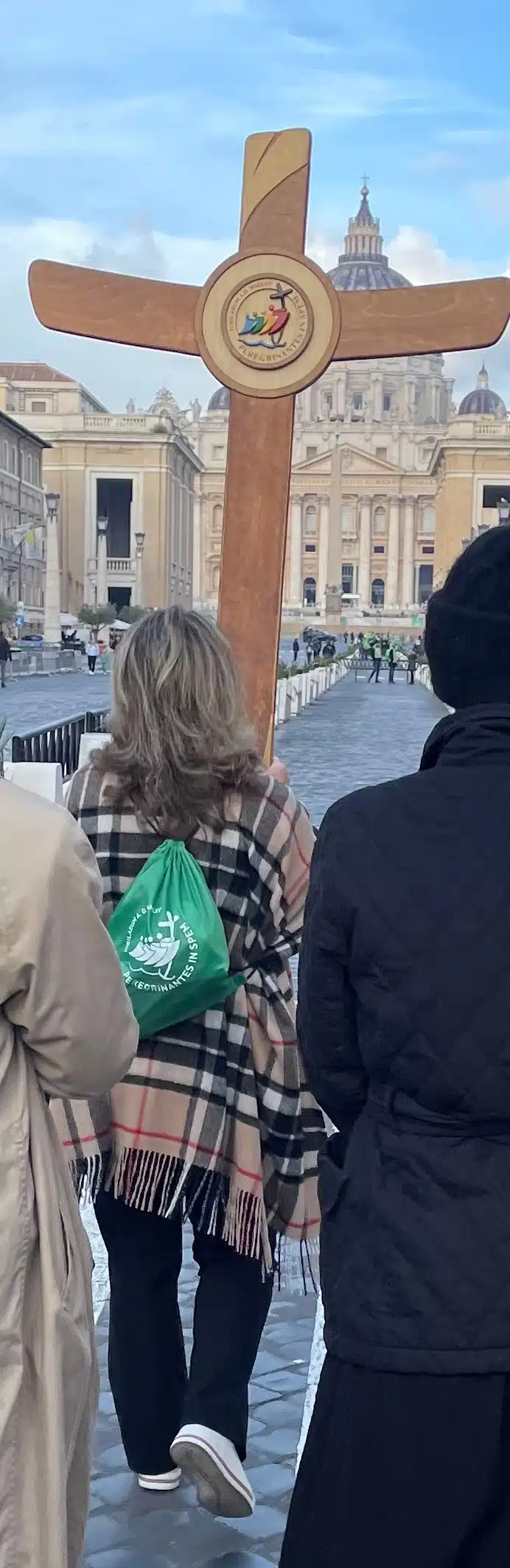
Yet, the most unforgettable moment came during our procession through the holy doors of St. Peter’s Basilica. The Jubilee Year gave our steps a sacred weight. As we walked together—bishops, priests, lay ministers, and professionals—I felt the symbolism of passing through those doors as ministers of hope. Each step was a prayer: for the ministry teams I train, for the clergy I support, for the countless individuals who suffer silently with mental illness. Crossing the threshold was more than ritual; it was a recommitment to being a vessel of Christ’s mercy and compassion. I whispered a prayer of gratitude: Thank you, Lord, for allowing me to join this global communion of care.
Throughout the conference, Pope Leo’s message was a constant thread. His call to the Church was clear: to be a community that listens, welcomes, and accompanies those in darkness. He reminded us that pastoral care must always pair with professional support, that the Church cannot shy away from the realities of mental illness. His words challenged me to continue bridging theology and psychology, faith and evidence-based practice.
The Pope’s Prayer Network gave our gathering a rhythm of intercession. Each day, we paused to pray for those struggling with suicidal thoughts, for families burdened by mental illness, and for communities striving to respond with compassion. I was moved by the universality of this prayer—knowing that Catholics around the world were united with us in Rome. I felt a great tide of hope rising across the globe, carrying our ministries forward.
As I reflect, I am filled with gratitude. Gratitude for the opportunity to learn from others and share my own experiences, as well as for the reminder that I am not alone in this mission. Gratitude for the beauty of Rome, where history and holiness converge. Gratitude for our procession through the holy doors, which renewed my spirit. And above all, gratitude for the Church’s growing commitment to mental wellbeing, embodied in Pope Leo’s leadership and the collective witness of ministers from every continent.
Leaving the conference, I carried home notes and resources—and also a renewed heart. I felt commissioned once more as a minister of hope. The faces of those I met—the Bishop from Haiti who spoke of trauma in his community; the Ukrainian psychologist who shared her work with clergy, adults, and children during a time of war; the American psychologist who integrates faith into therapy—remain with me. Together, we are building a Church that listens, accompanies, and heals.
The Ministry of Hope Conference was more than an event; it was a pilgrimage of the heart. I returned home grateful, humbled, and determined. Stepping back into my daily work, I carry the memory of Rome, the echo of Pope Leo’s words, and the strength of a global communion united in prayer. We are ministers of hope, and together, we will continue to walk with those who struggle, offering them the light of Christ and the promise of community.
Lisa Averion is the Associate Director for the Office for Persons with Disabilities in the Archdiocese of Cincinnati.
The Author