Movie Review: Ivan’s Childhood
Andrei Tarkovsky, 1962
 By Graham Craycraft
Flowers bloom, and flowers die—it is a cycle. During the past months, plants around my house had no leaves and looked much like dead plants, but my wife assured me they would bloom again when it is their time. And so are we reminded again through the cold winter months that spring will come, and indeed, it has. So also are we reminded through the sorrow of Lent that the Son will rise, and a new day will dawn, and indeed, it has.
Pondering this reality is Andrei Tarkovsky, a name perhaps unfamiliar to you, but one well worth knowing. Arguably the greatest Russian movie director, he only made seven full-length films, dying at the age of 54. But in those films, we find a man hungry and searching for truth, with a unique understanding of the human soul. Ivan’s Childhood is one such film that tells of destruction by war through the most juxtaposed subject, a child.
Ivan Bondarev is a 12-year-old scout during World War II for the Soviet military, fighting against the German invasion. We quickly gather that Ivan is dedicated to the cause and finds his purpose as a useful member of the military, performing missions that grown men cannot do.
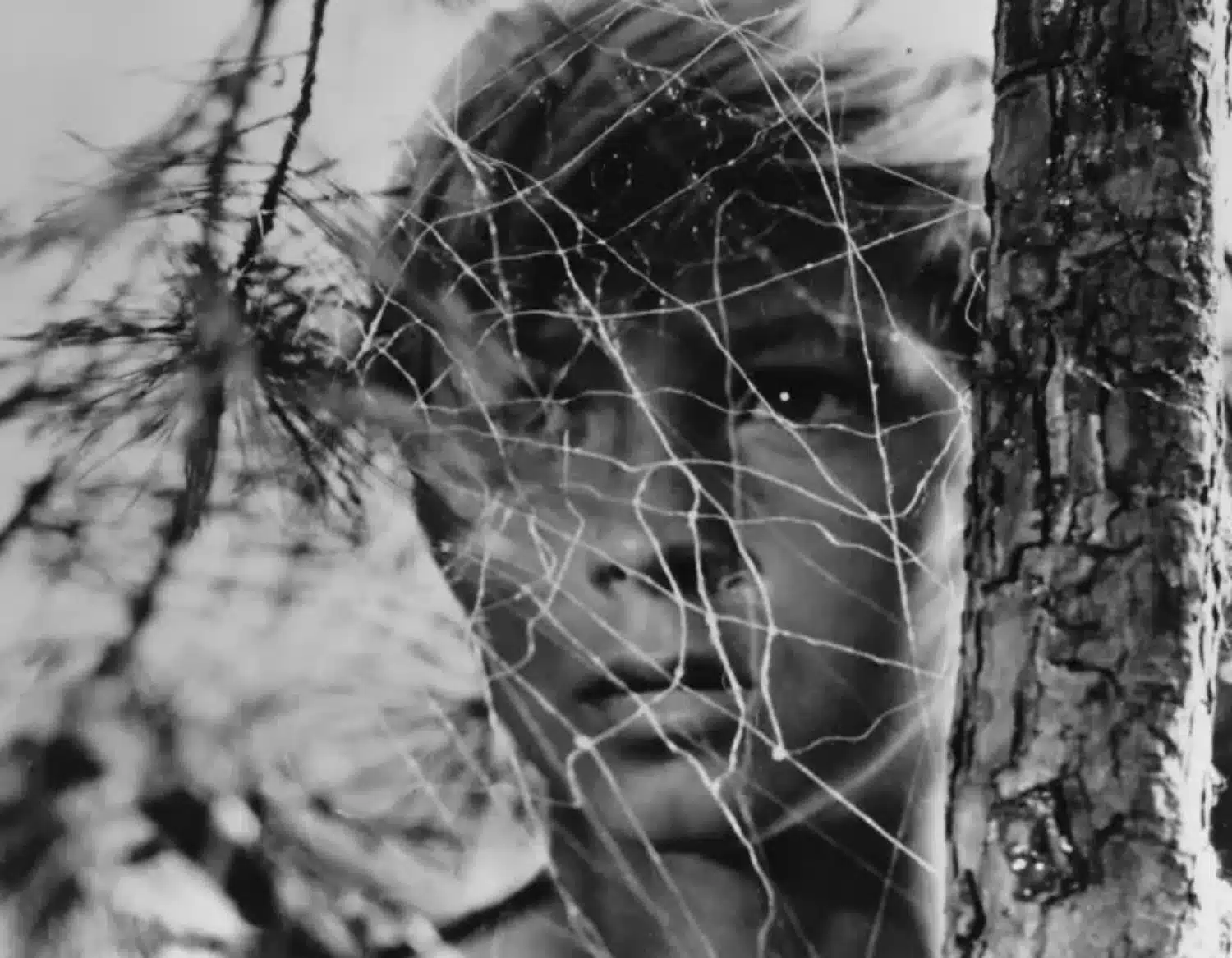
The movie follows Ivan between danger and covert efforts, intersplicing dream sequences of simpler, happier, prewar times with his mother. It opens with this stark reality: first peering through a spiderweb, we then soar through the sky with young Ivan as he returns to earth to see his smiling mother. But her smile turns to fear, and with a screeching sound of war, the scene cuts to him bolting up from his good dream… into the dark night of reality.
Ivan swims through a river as he picks his way back to a Soviet base, where he identifies himself to a superior, claiming he must talk to HQ at once, and is finally patched through. When an officer checks on Ivan, the cold, sparse room of the front lines transforms into the warm embrace of an officer who loves Ivan dearly and who is thrilled to see him, mission completed and feeling well.
Three military men care for Ivan and even discuss plans to adopt him after the war, but when they try to move him off the front lines to a military school, Ivan staunchly refuses and runs away. He meets a man whose house was destroyed and wife dead, and who is talking nonsense. Ivan is picked up by the military, but first leaves the man a loaf of bread and can of food. Clutching a chicken to his breast in the doorway of the ghost of his home, the man breathes the line, “O Lord, when will this all end?”—we see how much war costs to the most precious gifts: peace and human lives.
As the film and its war press on, Ivan embarks on one final mission while the Russians fall upon and defeat the Germans. Near the conclusion, we are exposed to even more death, and the man’s earlier question returns, but from another perspective—will this be the last war ever fought?
Tarkovsky wished to showcase two things in striking opposition to each other: the innocence of childhood and brutality of war. He moves us through feelings of love and peace into fear and sadness, recalling the Psalmist’s words that “man is but a breath, his days are like a passing shadow” (Ps 144:4).
But rejoice! for we are also told by the risen Christ, “Behold, I am with you always, until the end of the age” (Mt 28:20). As we continue our 50-day Easter celebration, let us rejoice in the risen Christ but not take our eyes off the Cross that leads to the Resurrection.
If you are interested in watching Ivan’s Childhood or other Tarkovsky films (which I hope you are), you can find many offered free on YouTube, under the Russian Cinema channel “Mosfilm.” Φ
The Author