



Myanmar: St. Carlo Acutis statue set up as symbol of hope
By Kielce Gussie
In the midst of a difficult civil conflict, Myanmar’s local Catholic Church has offered a symbol of hope and light for the thousands of young people living there.
A statue of the Italian saint-in-sneakers, St. Carlo Acutis, has been erected at the Cathedral of St. Columbanus in the Diocese of Myitkyina, which is the capital of the Kachin State.
A witness in the middle of a battlefield
According to the Vatican’s Fides news agency, this inauguration was the first of its kind in Myanmar and was held on the tenth anniversary of the priesthood and first anniversary of the episcopal ordination of the Bishop of the Diocese, John La Sam.
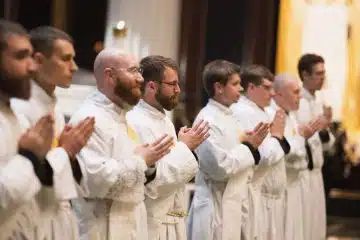
One of the diocesan priests explained the motive behind this historical moment. The goal of the statue, Fr. John Aung Htoi said, is that St. Carlo Acutis can teach young people “how to bear witness to the faith in their lives, even in times of trial, especially during this difficult time the nation is experiencing.”
The statue is meant to serve as a reminder and inspiration for young people on how to live their faith in Myanmar through a proper use of the internet and social media.
As St. Carlo is the patron of the internet, Fr. Htoi described him as an example for young people in the country who “must navigate and survive this crisis affecting a country torn apart by civil war.”
He recounted how they face “social and moral threats,” such as violence, crime, drugs, erosion of the family unit, and social media without legal protection.
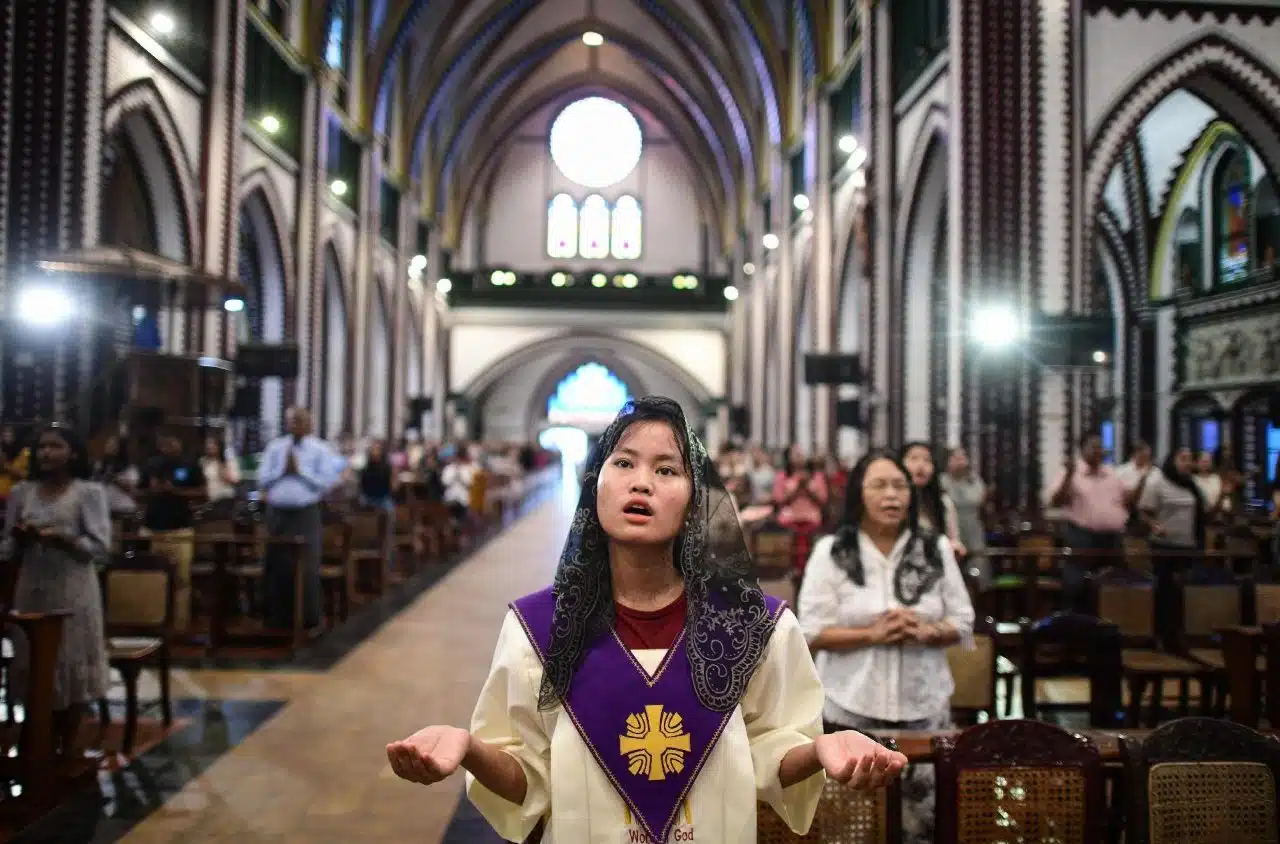
It is in this context that these young people turn to the Catholic Church and its teachings with solid foundations, which encourage them to base their lives on Christ.
To help them, Fr. Htoi noted, dioceses around the country organize youth camps, faith formation programs, and educational programs as means of accompanying young people on their journey.
At risk of being a “lost generation”
“Young people in Myanmar today need understanding, guidance, and trust,” the diocesan priest stressed. On the other hand, they must also take responsibility for their actions. Fr. Htoi explained, “young people are a vital resource for the future, and therefore we must take care of them.”
Across Myanmar—especially where the conflict and violence are ongoing—young people make up a deeply vulnerable part of the population. Many are homeless, orphaned, or without families able to safeguard them, leaving them at risk of becoming a “lost generation.”
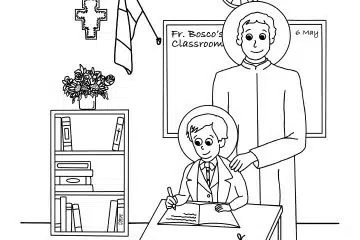
In the spirit of combatting these challenges, the “Don Bosco” Youth Center, founded in 2014 in the Archdiocese of Mandalay, is home to about 60 young people coming from challenging backgrounds—often orphans or those living on the streets.
At the center, young people receive care, shelter, food, schooling, healthcare, and education as well as sports, music, and cultural activities as part of the charism of the Salesian missionaries.
The Salesian priests noted their mission “is to accompany them in their growth with security, dignity, and hope.”
A change in perspective
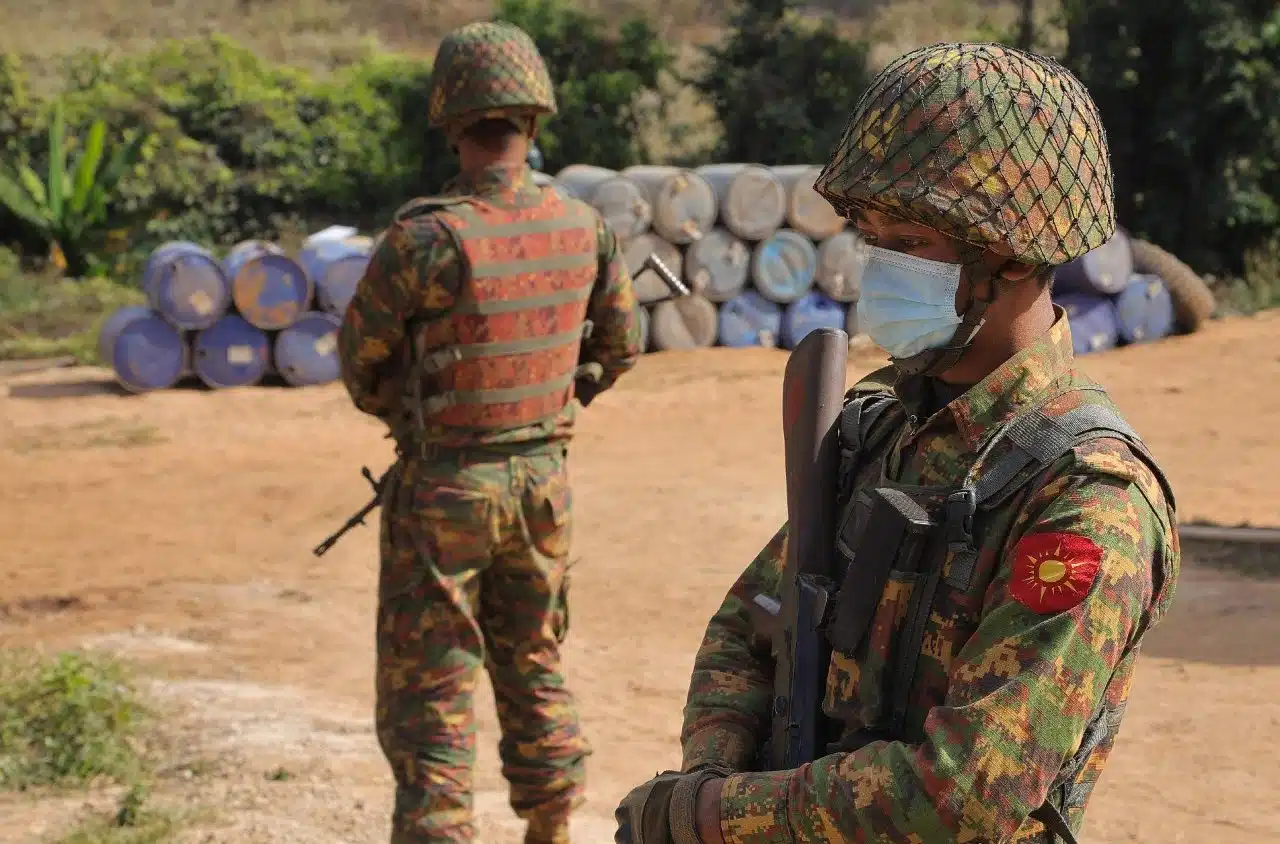
With the military junta’s coup in 2021—which shattered a fragile democratic process nearly a decade in the making—Myanmar fell into a pivotal moment in its history. Thousands of young people peacefully protested for the restoration of democracy before joining armed resistance groups.
Three years later, the military junta implemented the conscription law, forcing some 60,000 young people to be sent to the front lines. Consequently, almost 100,000 young people have emigrated, particularly to Thailand, or gone into hiding.
Young people, between the ages of 15 and 35, constitute 33% of Myanmar’s population, with a median age of 27. For many in this demographic, the 2021 coup cannot simply be defined as a political event, as it directly impacted their personal experience of democracy and individual freedoms.
The Author