Can those who have never had an opportunity to form a relationship with God go to heaven?
The Church holds to the possibility that those who do not know God, through no fault of their own, can be saved. Despite the preaching of the Gospel in many parts of the world, some people have not yet heard it. Even in places where it has been preached, the faith may not be actively practiced in families and communities. In short, not everyone may have had the message of salvation preached to them, whether in the past or present.
God’s Desire
The Church’s understanding of salvation is rooted in God’s love for us. God is rich in mercy, but He is also just. The Church understands this to mean that God desires the salvation of each person, but He does not force faith or salvation on anyone. It is a free choice.
The Catechism of the Catholic Church (CCC) offers this teaching: “Those who, through no fault of their own, do not know the Gospel of Christ or his Church, but who nevertheless seek God with a sincere heart, and, moved by grace, try in their actions to do his will as they know it through the dictates of their conscience—these too may attain eternal salvation” (CCC, 847).
God’s Grace
For everyone who is saved, salvation is made possible by Jesus’ death on the Cross. A person without a formal relationship with God may still receive grace, but even this is made possible through Christ, though perhaps outside of the Church’s structures and sacraments.
The Church is understood to be the ordinary means of salvation, and those who are saved are in relationship to the Church in some way, even if unknown or unacknowledged: “All salvation comes from Christ the Head through the Church which is his Body” (CCC, 846). However, this is not limited to the visible membership of the Church; it may also exist outside of it.
Baptism
Baptism is seen as an essential, but not an exclusive, means of salvation: “The Church does not know of any means other than Baptism that assures entry into eternal beatitude.” At the same time, “God has bound salvation to the sacrament of Baptism, but he himself is not bound by his sacraments” (CCC, 1257).
According to this understanding, God can bestow His grace outside of the sacraments. But this does not mean baptism is unimportant. It is the ordinary point of entry into life in Christ and salvation. And it may be presumed that those persons open to His grace would have desired baptism if they had known its importance (CCC, 1260).
Our Response
We hope in God’s mercy for everyone, including those who do not know God and have not been baptized. Every year on Good Friday, as part of the solemn intercessions, the Church prays for those who do not acknowledge God. We pray that they may desire and find God and so enter into His rest, despite any obstacles that may prevent it.
Many of us have friends or family who do not believe in God or do not have a relationship with Him. We can invite such persons into an encounter with God, but we cannot force it upon them. Though it cannot be presumed that those outside of a relationship with God will be saved, we acknowledge that God’s grace and mercy are beyond human understanding, for we trust in God who, according to the Letter to the Ephesians, can “accomplish far more than we ask or imagine” (Eph 3:20).
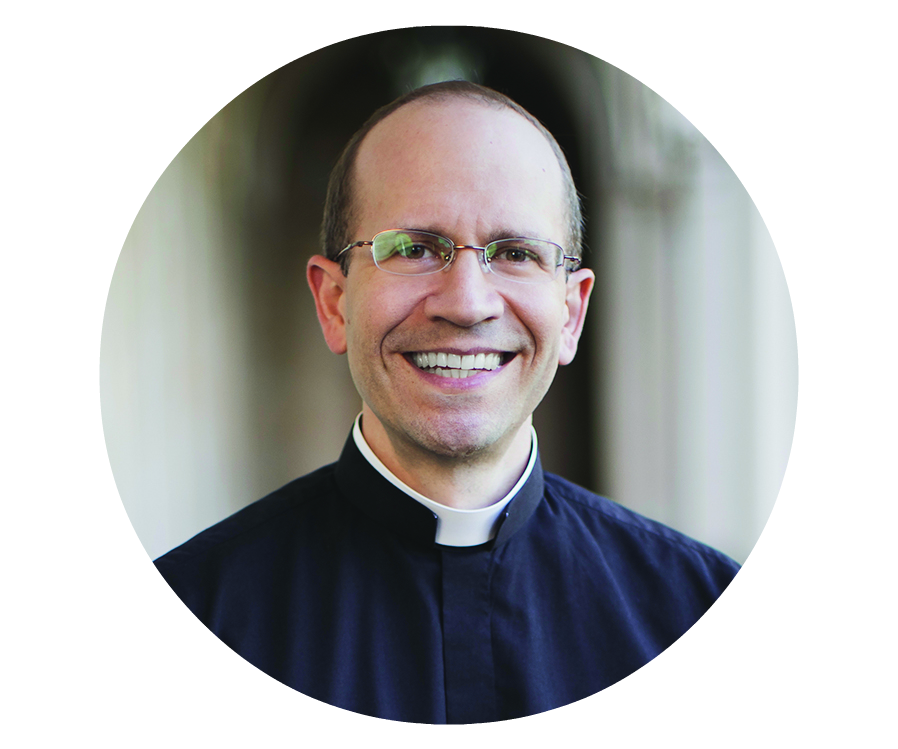 Father David Endres is professor of Church history and historical theology at Mount Saint Mary’s Seminary & School of Theology.
This article appeared in the January 2026 edition of The Catholic Telegraph Magazine. For your complimentary subscription, click here.
The Author